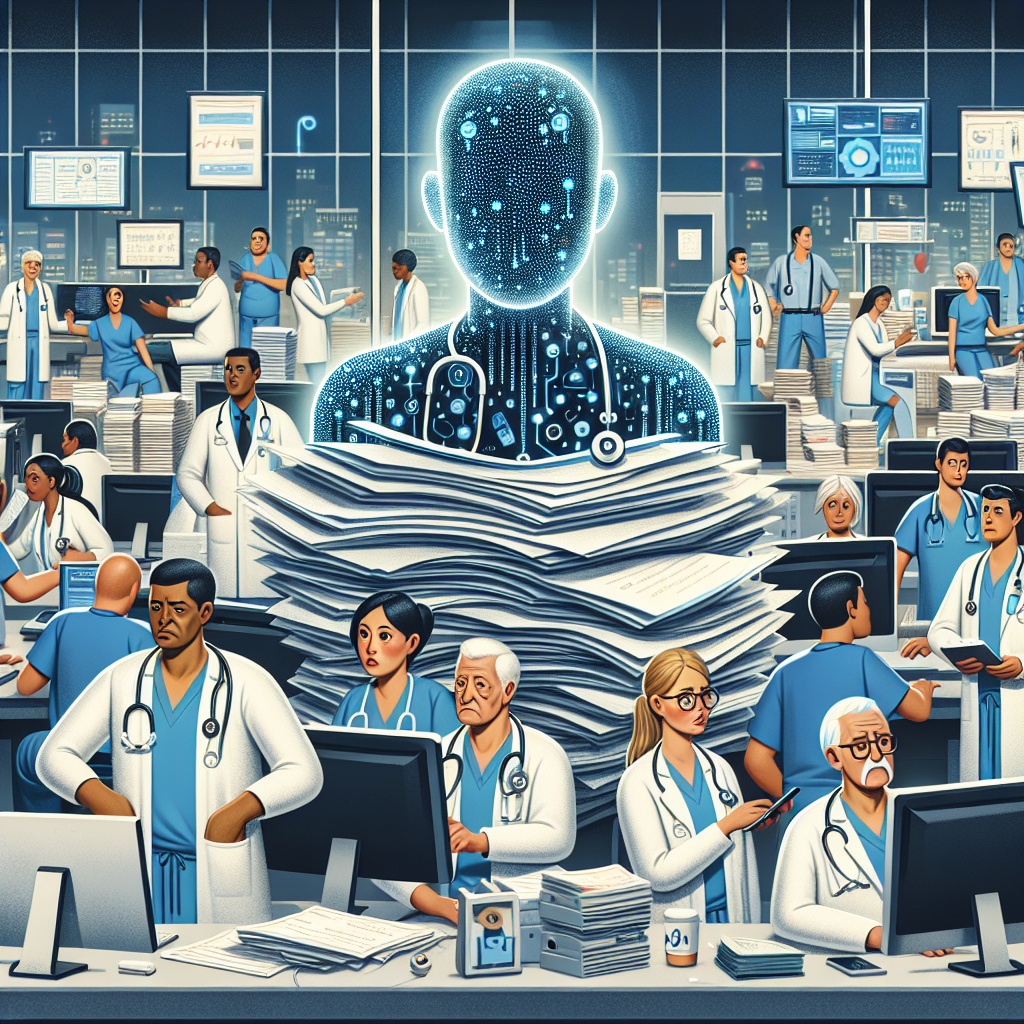
Physician burnout has reached crisis levels globally—driven by overwhelming workloads, administrative burdens, and emotional exhaustion. Clinicians are spending more time behind screens than at the bedside, navigating complex EHRs, repetitive documentation, and fragmented workflows. At BetterHealthTech, we believe machine learning (ML) can be a powerful ally in reversing this trend—not by replacing physicians, but by giving them back their time.
Machine learning excels at recognizing patterns, automating routine tasks, and surfacing insights from large datasets. In clinical settings, this translates to smarter scheduling, faster charting, AI-assisted documentation, and predictive workload balancing. Imagine an EHR that auto-summarizes patient notes or flags high-risk cases before they escalate—these are real, achievable ML applications that reduce mental strain and cognitive overload.
But the promise of ML goes beyond task automation. It can help institutions monitor clinician well-being by analyzing workload trends, overtime hours, and patient interaction quality. Combined with anonymized feedback loops, ML can flag early signs of burnout, helping leaders intervene with support before it’s too late. At BetterHealthTech, we’re exploring how AI systems can act as early warning systems—for both patients and providers.
Solving the burnout crisis won’t happen overnight. It requires systemic change, culture shifts, and better tools. But machine learning gives us a unique opportunity: to reimagine care delivery in a way that supports both patients and the professionals who serve them. By embedding intelligence into the workflow, we’re not just building better tech—we’re helping restore the human connection at the heart of medicine.
Leave a Reply