Author: purelogics

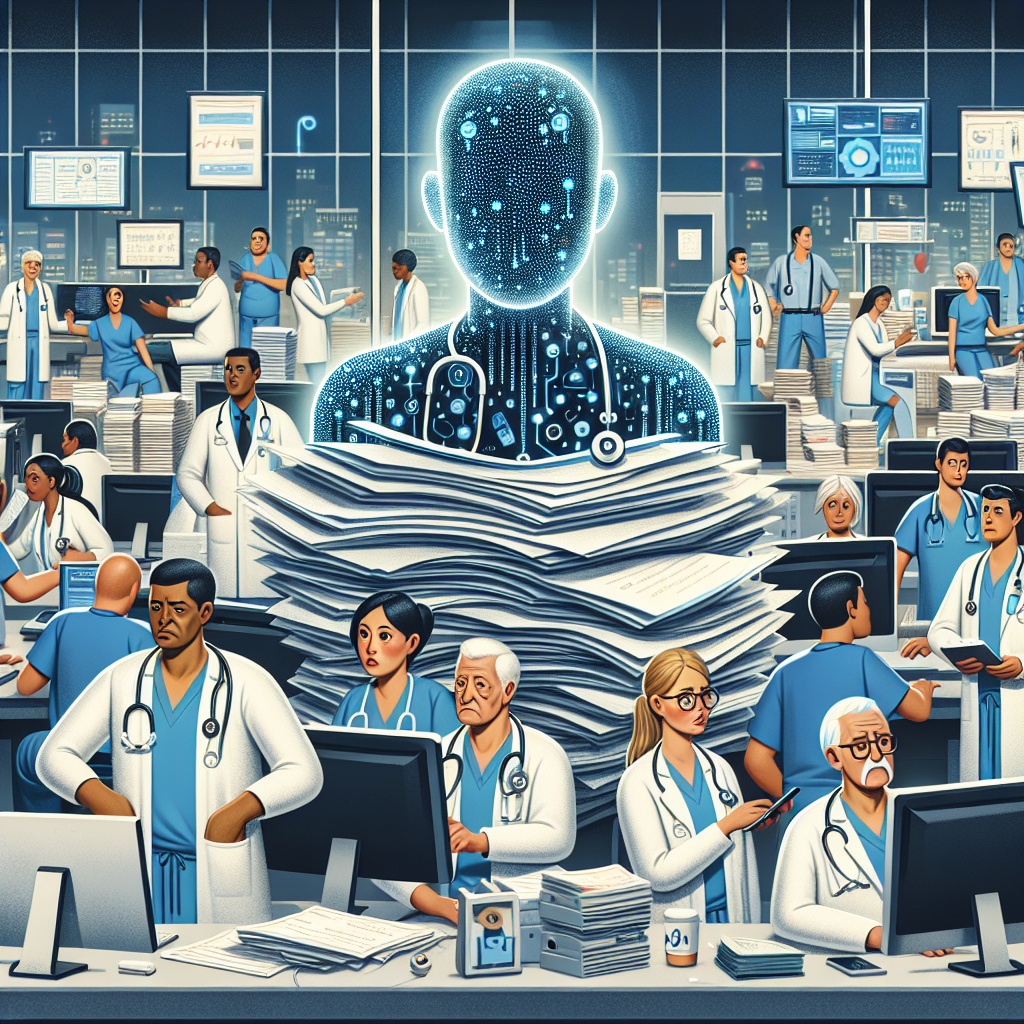
  • Can Machine Learning Help Solve the Physician Burnout Crisis?

    Can Machine Learning Help Solve the Physician Burnout Crisis?

    Physician burnout has reached crisis levels globally—driven by overwhelming workloads, administrative burdens, and emotional exhaustion. Clinicians are spending more time behind screens than at the bedside, navigating complex EHRs, repetitive documentation, and fragmented workflows. At BetterHealthTech, we believe machine learning (ML) can be a powerful ally in reversing this trend—not by replacing physicians, but by giving them back their time.

    Machine learning excels at recognizing patterns, automating routine tasks, and surfacing insights from large datasets. In clinical settings, this translates to smarter scheduling, faster charting, AI-assisted documentation, and predictive workload balancing. Imagine an EHR that auto-summarizes patient notes or flags high-risk cases before they escalate—these are real, achievable ML applications that reduce mental strain and cognitive overload.

    But the promise of ML goes beyond task automation. It can help institutions monitor clinician well-being by analyzing workload trends, overtime hours, and patient interaction quality. Combined with anonymized feedback loops, ML can flag early signs of burnout, helping leaders intervene with support before it’s too late. At BetterHealthTech, we’re exploring how AI systems can act as early warning systems—for both patients and providers.

    Solving the burnout crisis won’t happen overnight. It requires systemic change, culture shifts, and better tools. But machine learning gives us a unique opportunity: to reimagine care delivery in a way that supports both patients and the professionals who serve them. By embedding intelligence into the workflow, we’re not just building better tech—we’re helping restore the human connection at the heart of medicine.


  • The Ethics of AI Diagnosis: Striking the Right Balance

    The Ethics of AI Diagnosis: Striking the Right Balance

    As artificial intelligence continues to reshape healthcare, the promise of AI-powered diagnostics is undeniable: faster detection, reduced human error, and broader access to care. But as we delegate more responsibility to algorithms, a critical question emerges—how do we ensure that AI diagnosis remains ethical, transparent, and patient-centered? At BetterHealthTech, we believe ethical design must be foundational, not an afterthought.

    AI systems are only as good as the data they’re trained on—and medical data is often messy, biased, or incomplete. If not handled responsibly, AI can perpetuate existing inequalities, misdiagnose underrepresented populations, or overlook rare conditions. That’s why BetterHealthTech prioritizes diverse datasetsrigorous validation, and human oversight at every stage. Our goal isn’t just high accuracy—but fair, explainable, and accountable decision-making.

    Another key ethical challenge is the explainability of AI decisions. When a model suggests a life-changing diagnosis, patients and clinicians deserve to understand why. BetterHealthTech is building AI tools that offer transparent reasoning, not just black-box outputs. This fosters trust and keeps the physician in control—using AI as an intelligent assistant, not an opaque authority.

    Ultimately, striking the right balance means designing AI that enhances clinical judgment, not replaces it. Technology should serve the human side of healthcare—empowering doctors, informing patients, and improving outcomes. At BetterHealthTech, we’re not just building smarter AI—we’re building ethical AI for a smarter, safer future in medicine.

  • How Generative AI is Transforming Radiology

    How Generative AI is Transforming Radiology

    Radiology is being revolutionized by the power of generative AI—and BetterHealthTech is at the forefront of that shift. Traditional radiological analysis is limited by manual interpretation and siloed data, but AI is changing that. Our models are designed to analyze medical imaging with unprecedented accuracy and speed, enabling earlier detection of diseases and minimizing the risk of oversight. By learning from millions of scans, BetterHealthTech AI identifies subtle patterns that even the most experienced professionals may miss.

    What makes generative AI truly transformative in radiology is its ability to create synthetic medical images that simulate rare conditions, enhance training datasets, and fill gaps in incomplete scan sequences. This improves diagnostic reliability and accelerates innovation in research and clinical trials. BetterHealthTech AI uses these capabilities not just to assist radiologists—but to empower them with a smarter, more adaptive diagnostic environment.

    At BetterHealthTech, we’re committed to building AI that works with clinicians, not around them. Our AI-driven radiology tools streamline workflows, reduce burnout, and increase diagnostic confidence—while ensuring transparency, compliance, and patient safety. Radiology is no longer reactive; with BetterHealthTech AI, it’s predictive, personalized, and proactive.